An In-Depth Guide to Back Pain: Causes, Symptoms, and Treatment Options
This comprehensive guide explores the causes, symptoms, and treatments for back pain, a common health issue affecting most adults. It covers common causes like muscle strain, herniated discs, and joint degeneration, along with signs to watch for and management strategies. Whether you're dealing with mild or severe discomfort, understanding these aspects can help in seeking appropriate care. Consult healthcare providers for personalized diagnosis and treatment plans to effectively manage back pain and improve quality of life.
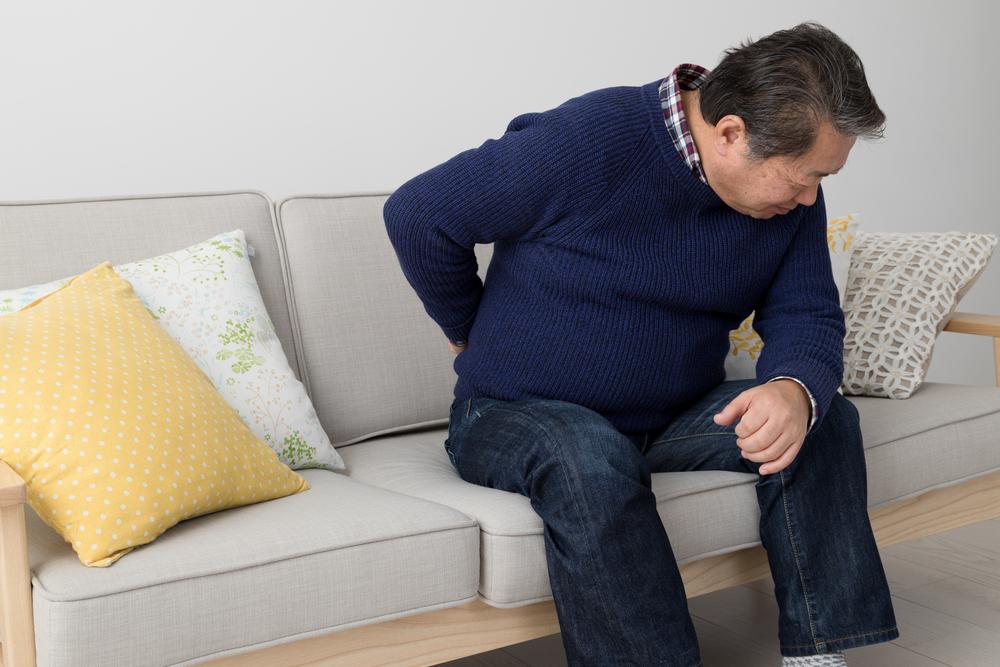
Back pain is a widespread issue caused by various health conditions rather than a single disease. The back is divided into lower, middle, and upper segments, all of which can experience discomfort. The pain can be constant or intermittent and varies from mild to severe.
Approximately 80% of adults face back pain at some stage, as the spine is a complex structure with many nerve-rich components involved in sensation and movement.
Pain often results from overstressed muscles, ligaments, or tissues. Chronic problems, affecting 5-10%, tend to recur. Sudden pain usually stems from injury, which may cause muscle weakness or even impact bladder control, interfering with daily life.
Younger individuals may develop disc issues due to degeneration, while older adults often deal with joint deterioration like osteoarthritis.
Common Causes of Back Pain
Muscle strains from overstretching or ligament sprains
Herniated discs pressing on nerves, resulting in persistent pain
Osteoarthritis causing joint wear and tear
Spinal deformities leading to long-term discomfort
Spinal stenosis narrowing the spinal canal and compressing nerves
Spondylolisthesis, where vertebrae slip out of place
Autoimmune conditions such as rheumatoid arthritis and Crohn’s disease
Indicators of Back Discomfort
Muscle pain radiating to limbs
Difficulty with routine tasks like bending, standing, or walking
Shooting sensations in the back region
Severe pain combined with bladder or bowel problems
Approaches to Alleviating Back Pain
Medications including muscle relaxants, painkillers, and epidural injections
Supportive devices such as braces to enhance recovery and reduce discomfort
Non-pharmacological options like massage and specific exercises that boost circulation and nutrient flow
Surgical procedures in rare cases for full relief and correction of structural issues
Note: The information here is for educational use and not a substitute for professional medical advice. Consult healthcare professionals for diagnosis and treatment options. Be cautious with self-treatment and online recommendations.