Exploring the Three Main Categories of Satellite Photos
This article explains the three primary types of satellite imagery: visible, infrared, and water vapor images. It highlights their uses in meteorology, environmental monitoring, and mapping, emphasizing how different wavelengths capture unique surface and atmospheric information. Modern satellite technology provides valuable data, supporting numerous sectors worldwide. Understanding these image types helps in interpreting satellite data effectively for research and practical applications.
Exploring the Three Main Categories of Satellite Photos
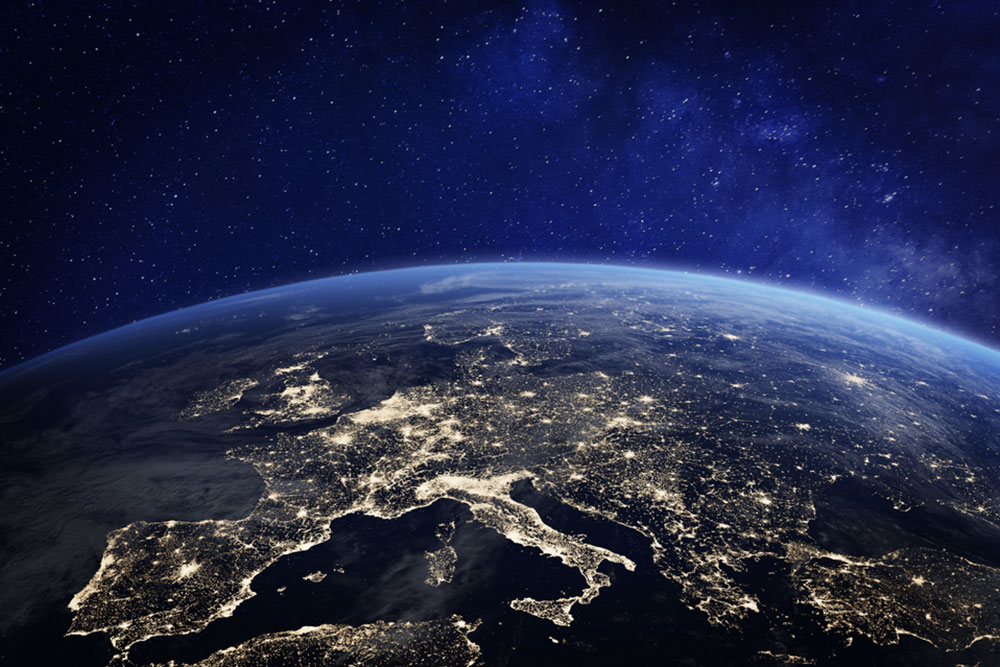
Satellite photography, also known as remote sensing, involves capturing images of Earth's surface from space or high-altitude aircraft. Satellites equipped with advanced sensors scan our planet, each tailored for specific purposes. These sensors detect different types of electromagnetic radiation reflected or emitted by surfaces, including infrared, ultraviolet, and microwave wavelengths. Since humans can only view a limited part of this spectrum, satellite images often translate these signals into visible colors, creating unique and sometimes surreal visuals.
Different land types respond distinctly to sunlight and radiation, helping in identifying objects from space. For example, smooth surfaces like roads mostly reflect sunlight directly back (specular reflection), while rough surfaces such as forests scatter radiation in multiple directions (diffuse reflection). These differences enable detailed analyses like assessing plant health through infrared imaging. Satellite data underpins tools like Google Earth and supports sectors such as meteorology, cartography, and defense.
The main categories of satellite images include:
Visible
This type captures natural images similar to regular photographs, reflecting sunlight from surfaces. It is effective during the day but limited at night or in cloudy conditions, making it hard to distinguish features such as snow and ice from clouds. Observing short-term changes helps differentiate these elements, as clouds tend to move while snow stays fixed.
Infrared
Infrared imaging detects heat emitted by objects, providing data during both day and night. Warmer objects emit more infrared radiation, making this method valuable for monitoring plant health, detecting fires, and measuring surface temperatures. However, some clouds can appear similar in temperature to land, posing interpretive challenges. Combining infrared data with other imaging improves accuracy.
Water Vapor
This less common imaging technique measures atmospheric moisture, revealing humidity at different altitudes. It’s particularly useful for studying weather patterns and climate, showing moisture levels through distinct colorations—dry regions versus humid zones.
The initial Earth photograph was taken by Explorer 6 in 1959, mainly to examine atmospheric electric and magnetic fields. Early images, like those of the Pacific Ocean, lacked the detail seen in today's high-resolution satellite visuals. Modern technology enables quick, detailed imaging accessible via platforms like Google Earth and NASA.
Overall, satellite images are essential for weather forecasting, environmental monitoring, mapping, and security. Their broad applications and ease of access make them a vital resource for scientific and industrial pursuits.