Cost Insights for Stationary RV Living in the U.S.
Discover key cost factors for owning or leasing stationary RVs in the U.S., including purchase prices, monthly expenses, and regional influences. This comprehensive guide helps prospective owners make informed decisions for budget-friendly, flexible living options.
The demand for stationary recreational vehicles in the United States has grown significantly, as many look for flexible, affordable, and portable living arrangements. These fixed-position RVs—also known as park models, mobile homes, or park trailers—are increasingly chosen for full-time residence or leisure purposes. Potential buyers often wonder about the expenses involved and how to make informed investment decisions. This article highlights key cost factors, including initial purchase, upkeep, and recurring fees, offering clear guidance for future owners or renters.
Ultimately, you'll gain a comprehensive understanding of the financial requirements for owning or leasing an on-site RV.
Understanding Stationary RVs
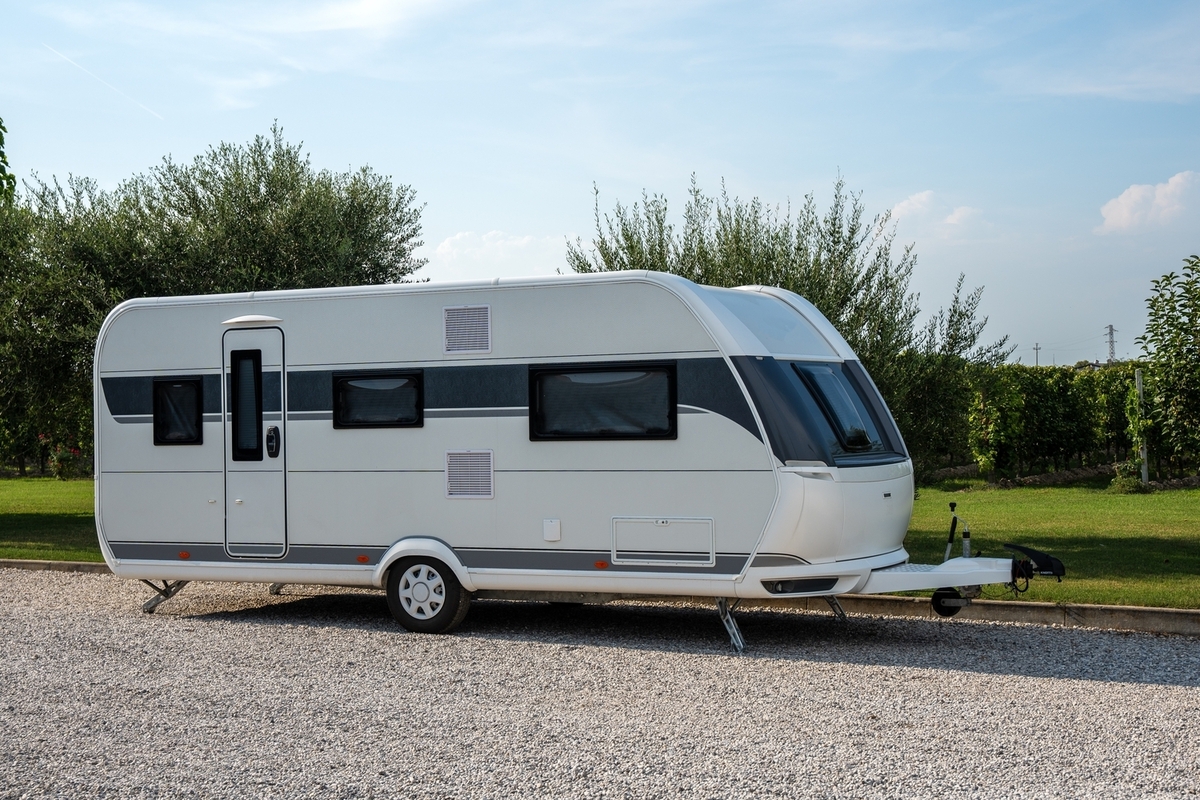
Stationary RVs are mobile homes or recreational vehicles permanently placed at specific locations within parks or communities. Unlike travel RVs meant for movement, these serve as fixed living spaces. They come in various sizes—from compact trailers to luxurious park models—and are often connected to utility services like water, electricity, and sewer.
Initial Investment Costs
The initial expense varies based on several factors:
1. RV Type
Travel Trailers: Towable units priced between $10,000 and $40,000, depending on size and features.
Park Models: Larger, permanent units designed for extended living, generally costing $30,000 to over $100,000, with residential amenities included.
Fifth-Wheel Trailers: Towed by trucks, with prices ranging from $20,000 to $70,000.
Compact Mobile Homes: Stylish, smaller units, costing from $50,000 to $150,000 or more.
2. Brand and Customization Options
Premium brands and personalized features can increase costs. Fully customized models may exceed $100,000, while basic options can start around $40,000.
3. Delivery and Installation Fees
Transport and setup charges vary from $500 to $5,000, based on distance and installation complexity.
Ongoing Expenses
Recurring costs depend on location, RV type, and usage:
1. Space Rent
Monthly fees to parks or communities typically range from $300 to $2,000, influenced by location and park amenities.
2. Utilities & Maintenance
Monthly utility bills—including water, electricity, gas, and sewer—can range from $100 to $500. Annual maintenance for HVAC, plumbing, and electrical systems costs approximately $500 to $1,000.
3. Insurance Coverage
Annual premiums are generally between $200 and $1,000, based on coverage level and RV value.
4. Property Taxes
Some regions levy taxes on mobile or park homes, typically between $100 and $2,000 annually.
5. Depreciation
RV values tend to decrease by 10-20% each year, affected by condition and market factors.
Factors Influencing Costs
External factors shaping expenses include:
Location: Prime areas near attractions increase costs, while rural sites are generally cheaper.
Size: Larger units with more living space lead to higher initial costs and maintenance.
Seasonality: Prices fluctuate with tourist seasons; off-season deals might be available.
Comparison of Typical Costs
Travel Trailer: Purchase $10,000-$40,000; Space Rent $300-$1,500; Utilities $100-$400; Insurance $200-$500
Park Model: Purchase $30,000-$100,000+; Space Rent $500-$2,000; Utilities $150-$500; Insurance $300-$1,000
Fifth-Wheel: Purchase $20,000-$70,000; Space Rent $300-$1,500; Utilities $100-$400; Insurance $200-$500
Compact Mobile Homes: Purchase $50,000-$150,000+; Space Rent $500-$2,000; Utilities $150-$500; Insurance $300-$1,000
Living or renting an on-site RV offers a versatile and cost-effective alternative to traditional housing in the U.S. Costs vary based on location, size, and amenities. Careful research helps align your choices with your budget and lifestyle, whether for vacation or permanent residence.