Recognizing and Diagnosing Pulmonary Embolism Effectively
This article highlights the importance of early recognition and diagnosis of pulmonary embolism, emphasizing symptoms, causes such as deep vein thrombosis, and key diagnostic methods. Understanding these aspects can facilitate prompt treatment and prevent severe complications associated with this life-threatening condition.
Recognizing and Diagnosing Pulmonary Embolism Effectively
A pulmonary embolism is a serious condition where a blood clot blocks an artery in the lungs, requiring immediate attention. Early detection of symptoms is vital to prevent severe complications. The signs often resemble other ailments such as heart issues, making awareness crucial. Most pulmonary embolisms originate from deep vein thrombosis (DVT), which involves clot formation in deep veins, especially in the legs or thighs. These clots can detach and travel to block lung arteries.
Deep Vein Thrombosis: The Underlying Cause
DVT is characterized by clot development in deep veins, primarily in the lower limbs. Dislodged clots can travel through the bloodstream, causing embolisms in the lungs. Risk factors include injuries, obesity, medical devices, genetic factors, smoking, hormonal treatments, pregnancy, prolonged inactivity, and underlying health conditions like cancer or cardiovascular diseases. Surgical procedures also increase risk.
Symptoms and Diagnostic Procedures
Common symptoms include sudden shortness of breath, chest pain worsening on deep breaths or coughing, coughing up blood, dizziness, rapid heartbeat, and bluish lips. Signs of DVT such as leg swelling, pain, tenderness, skin color changes, and visible veins may also be present. Immediate medical evaluation is essential for accurate diagnosis.
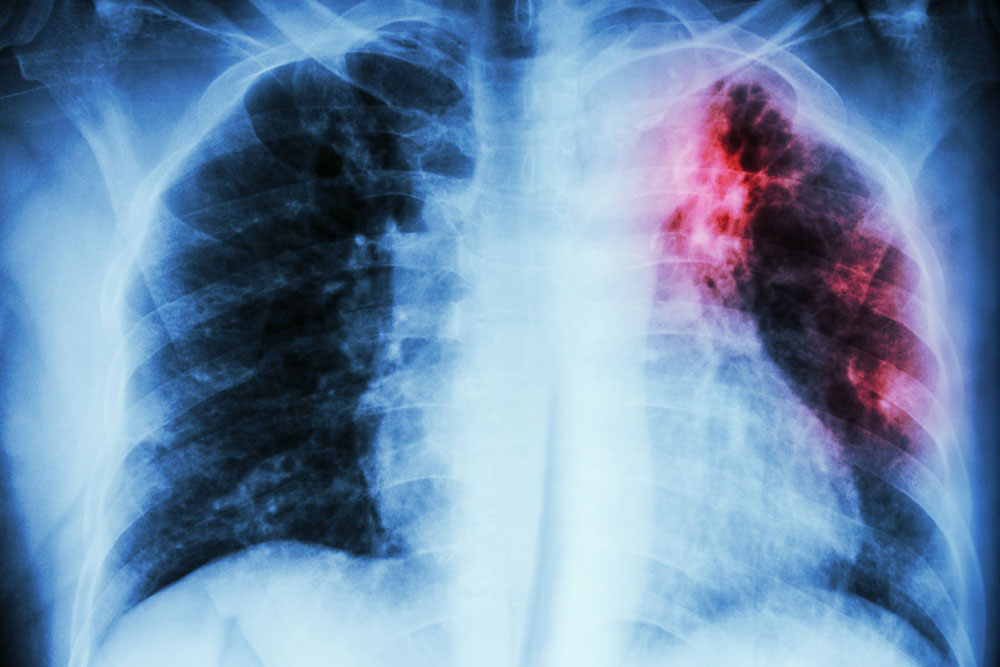
Healthcare providers review medical history and conduct physical assessments. Diagnostic tests may include chest X-ray, ECG, echocardiogram, computed tomography angiography, pulmonary angiography, and blood tests like D-dimer. Early diagnosis ensures effective treatment options like anticoagulants, clot-dissolving medications, or surgery in critical cases. Recognizing symptoms early saves lives.