The Origins and Perception of Scents and Fragrances
Explore the fascinating origins of fragrances and how perceptions vary across cultures and environments. Learn about natural scents, their benefits, and how scientific testing helps bring appealing fragrances to consumers worldwide.
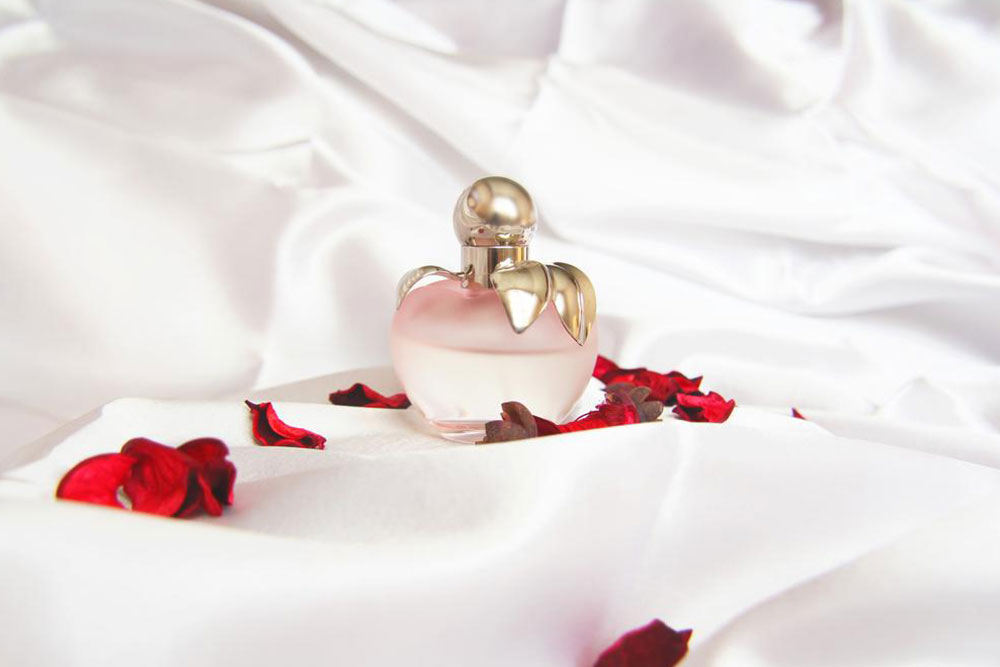
Fragrances are pleasant aromas derived from diverse sources like foods, flowers, plants, perfumes, deodorants, powders, wallpapers, and air fresheners. Anything that delights the senses with its scent qualifies as a fragrance.
What defines a fragrance? Naturally occurring sweet smells found in nature often compose fragrances. These aromas can have calming effects, ease nerves, and offer various health benefits.
Perceptions of scents are highly subjective; what appeals to one may not to another. Factors like mood and personal taste shape scent preferences. While defining a universal fragrance is challenging, popular scents such as lavender, jasmine, and roses enjoy global appreciation, with regional differences.
Environmental factors like climate, soil, water, and air quality greatly influence fragrance traits, resulting in regional favorites. Professional roles in scent testing and market analysis help identify promising fragrances before market release. Scientific testing ensures only appealing scents reach consumers.
Note: This blog provides general insights across various topics. We recommend verifying details via additional sources, as discrepancies may exist. We do not guarantee the accuracy or completeness of third-party information mentioned outside our scope.