Comprehensive Overview of Automated External Defibrillators (AEDs): Life-Saving Devices
This article provides a detailed overview of Automated External Defibrillators (AEDs), highlighting their importance in saving lives during cardiac emergencies. It covers how AEDs work, when and where to use them, and how to access training. With the rising number of cardiac arrests globally, understanding AED capabilities and proper deployment can significantly increase survival chances. Access to AEDs and proper training are essential for communities, workplaces, and public spaces to effectively respond to sudden cardiac events and improve emergency outcomes.
Comprehensive Overview of Automated External Defibrillators (AEDs): Life-Saving Devices
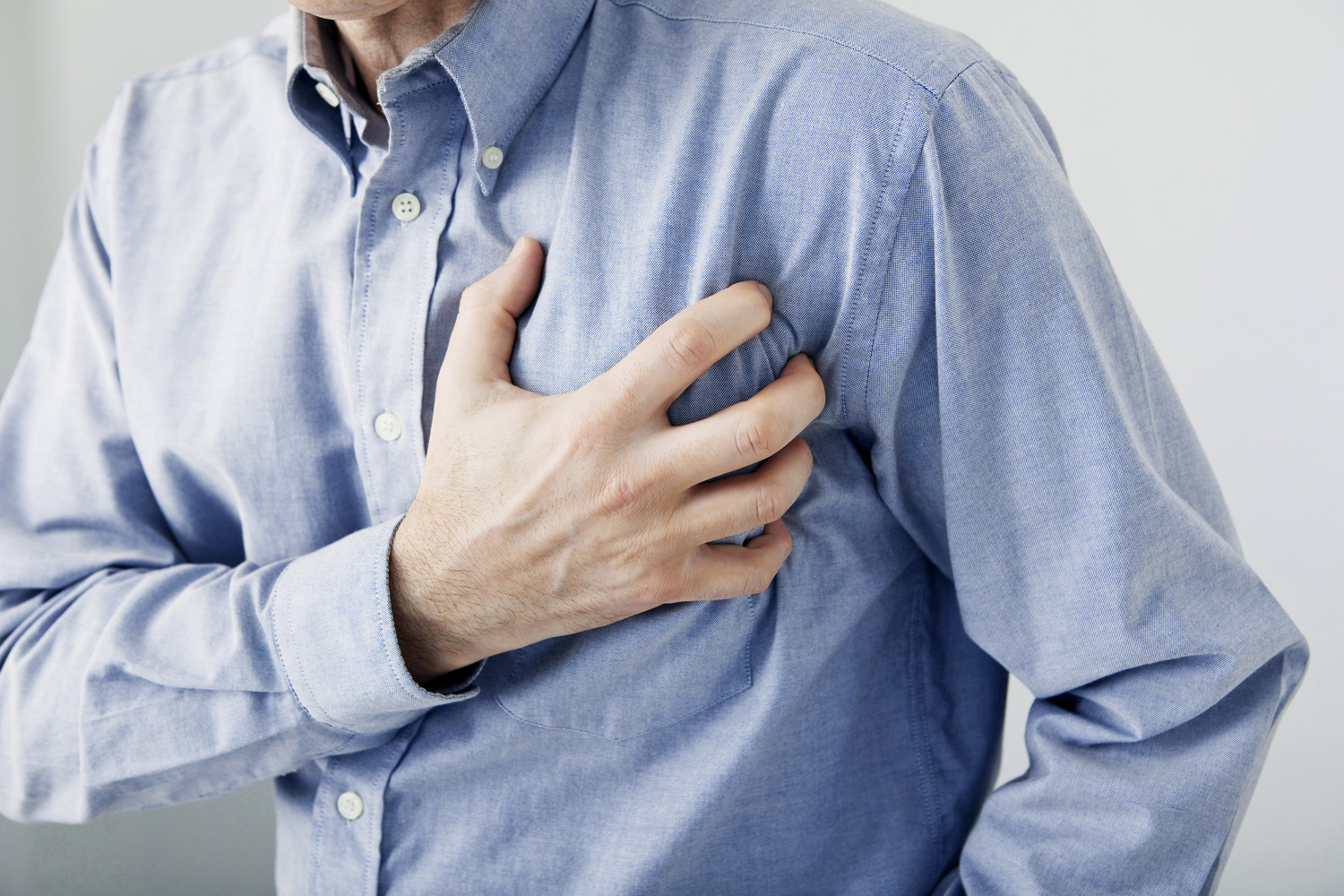
The frequency of cardiac emergencies has risen dramatically in recent years, becoming a leading cause of death nationwide. Many sudden cardiac events happen in workplaces and public spaces, prompting increased awareness and training in CPR and AED operation. These incidents are often linked to cardiovascular health issues. The likelihood of survival dramatically improves from 5% to 80% when an AED is used swiftly by a trained individual.
To enhance quick responses during heart attacks, Good Samaritan laws provide legal protection for rescuers. But what exactly is an AED?
Understanding AEDs
An Automated External Defibrillator (AED) is a portable, digital device crafted to save lives during cardiac emergencies. It analyzes the heart’s rhythm and delivers an electric shock if irregularities are detected, helping to restore normal heartbeat. During a heart attack, abnormal electrical activity can cause the heartbeat to become erratic. Immediate use of an AED can stabilize the patient and potentially prevent death.
Handling an AED is straightforward, thanks to built-in voice prompts and simple instructions. These features guide users through each step, ensuring effective deployment especially in high-stress moments.
How AEDs Function
The device assesses the patient’s cardiac rhythm, instructs the user via voice prompts, and supplies a controlled electric shock if indicated. This shock interrupts irregular electrical signals and helps re-establish a normal heartbeat. Prompt action is vital—delays can severely reduce survival chances. Research shows that AEDs can boost survival rates by up to 80% when used promptly in emergencies.
When to Use an AED
Cardiac arrests can occur unexpectedly anywhere or anytime. Signs include unresponsiveness, abnormal breathing, or unresponsiveness to stimulation. If someone suddenly collapses, stops responding, or struggles to breathe, an AED should be applied immediately. Always contact emergency services before using the device.
Locating AEDs in Public Spaces
The American Heart Association recommends installing AEDs in accessible public locations like schools, gyms, stadiums, and workplaces. Emergency services also carry AEDs. Proper signage and easy access are crucial for quick response. Familiarity with AED locations in advance can significantly improve response times and survival outcomes.
Training for AED Use
Modern AED training is simple and readily available. Organizations such as the American Heart Association offer online courses like Heartsaver, complemented by hands-on sessions. The American Red Cross provides community training and certification. Guided step-by-step by voice prompts, using an AED requires minimal instruction. Broader AED training and deployment could save thousands of lives annually, so everyone is encouraged to learn how to operate these devices for emergencies.