Top 10 Key Specializations in Graphic Design for Aspiring Professionals
Explore the top 10 specializations in graphic design that open diverse career opportunities. From brand identity and web design to motion graphics and packaging, this guide helps aspiring designers find their niche. Developing skills in these areas can lead to rewarding industry roles in creative visual communication and branding. Whether pursuing online or traditional education, understanding these key fields is essential for career growth and success in the dynamic world of graphic design.
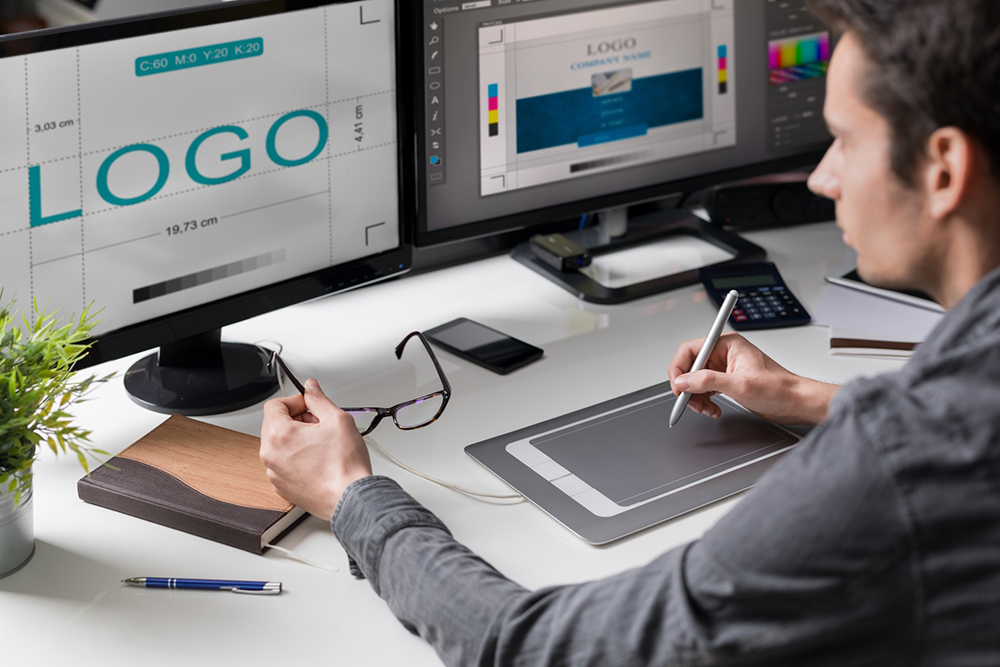
Top 10 Key Specializations in Graphic Design for Aspiring Professionals
Graphic design encompasses a wide range of career opportunities for creative minds. Enrolling in formal courses, whether online or onsite, helps build essential skills and clarifies potential career directions. Recognizing different design disciplines and their skill requirements is crucial for choosing the right path. This article explores ten major areas within graphic design, highlighting their functions, necessary expertise, and career prospects. Exploring these specializations enables aspiring designers to discover their niche and establish a successful industry presence.
1. Brand Identity Development
This involves crafting visual elements that define a brand’s identity, such as logos, color palettes, and visual consistency across various marketing channels.
2. Digital & Web Design
Specializing in creating interactive websites and online experiences, this area combines classic design principles with modern tech. Training can be accessed via online or offline programs to master the latest tools and techniques.
3. Advertising Graphic Arts
This field focuses on designing visuals for promotional activities, including banners, posters, billboards, and commercial advertisements aimed at increasing brand awareness and attracting audiences.
4. Visual Content Marketing
Creating visual assets for marketing campaigns, like packaging, social media graphics, and website visuals, marketers use design skills to convey messages effectively through typography, colors, and layout.
5. UI Design & User Experience
Concentrating on designing intuitive digital interfaces, this specialization involves creating menus, icons, layouts, and entire app or website structures to enhance user interaction and satisfaction.
6. 3D Art & Visualization
Using specialized software for modeling and rendering, this area produces three-dimensional visuals and animations. It serves applications such as virtual reality, architectural visualization, and game design, requiring knowledge of lighting, textures, and spatial arrangement.
7. Typography & Font Design
This discipline focuses on arranging typefaces and characters to ensure aesthetic appeal and readability, emphasizing style, clarity, and visual balance in text design.
8. Vehicle Wrap & Decal Design
Designing large-scale graphic wraps and decals for vehicles involves creating graphics that fit contours and surfaces, serving promotional, branding, or decorative purposes.
9. Motion & Digital Animation
Creating engaging animated visuals for television, film, and digital platforms, motion graphic artists utilize software to produce titles, effects, and sequences that wow viewers.
10. Packaging & Product Design
This area focuses on designing attractive and functional packaging, balancing graphic artistry with practical aspects like materials, shapes, and branding to ensure product appeal and effectiveness.
Disclaimer:
This overview covers various aspects of graphic design to assist aspiring professionals. For detailed and specific information, consulting additional sources is recommended. We are not responsible for any discrepancies or missed opportunities outside this scope.