Understanding Human Growth Hormone Treatments: What You Need to Know
This comprehensive guide explains human growth hormone therapy, including signs of deficiency, benefits, how treatment works, and potential risks. It offers valuable insights for parents and adults considering hormone treatment, emphasizing the importance of medical supervision to optimize health outcomes and manage side effects effectively.
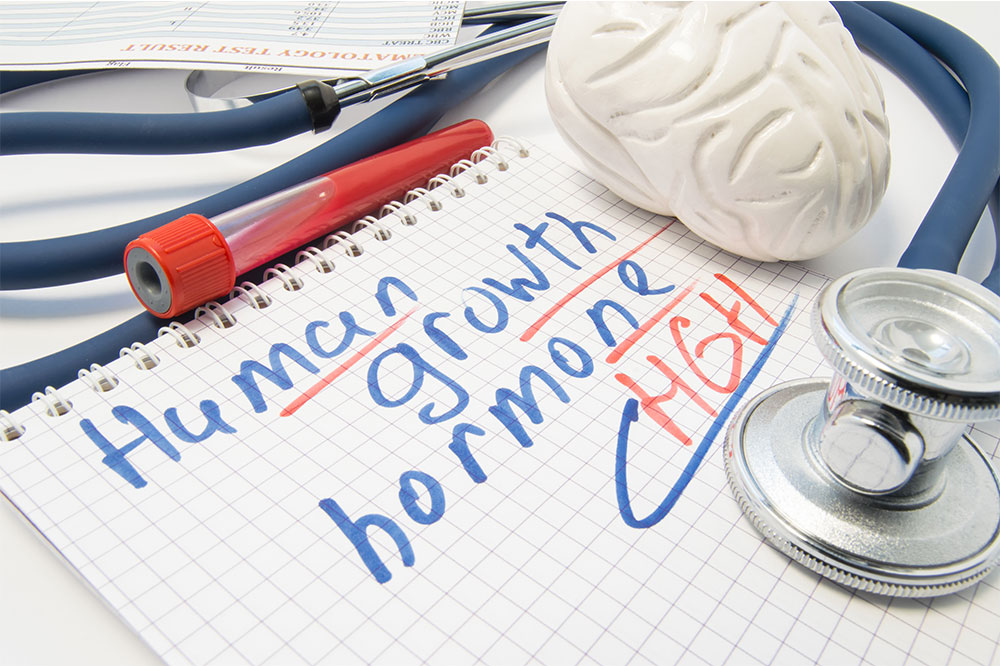
Overview of Human Growth Hormone Therapy
The pituitary gland, a small yet essential part of the brain's base, produces hormones that regulate growth and development. As we age, its ability to secrete growth hormone declines. To counteract this, scientists have created synthetic human growth hormone to treat deficiencies in children and adults. Recognizing the signs of growth hormone deficiency and understanding available treatments can help manage related health issues effectively.
Signs Indicating Growth Hormone Deficiency Growth hormone impacts physical growth, bone strength, muscle mass, and mental health. In children, deficiency may present as slow height increase, excess body fat, delayed puberty, short stature, and issues with hair growth. Some infants might be born smaller but not always. Adults with low growth hormone levels might experience depression, increased abdominal fat, weak bones and muscles, fatigue, and cognitive difficulties.
Children might look younger than their age, have more body fat, delayed puberty, and growth delays.
Adults may suffer from mood issues, obesity, muscle loss, heart health problems, tiredness, and concentration difficulties.
Advantages of Human Growth Hormone Therapy Synthetic growth hormone therapy offers many benefits, especially for those deficient. It promotes proper growth in children, improves physical performance, enhances mood and mental clarity, increases muscle mass, supports healthy skin through collagen production, accelerates bone healing, reduces cardiovascular risks, and helps manage syndromes like Prader-Willi or Turner’s. It can also assist in counteracting body wasting due to HIV/AIDS. However, ongoing research emphasizes consulting healthcare providers before starting treatment.
How Therapy Works The treatment involves injections of lab-made hormones that mimic the body’s natural pituitary hormones, helping to restore energy, boost metabolism, and support development. Injections are typically given daily or several times weekly, with treatment lasting for years. Regular monitoring of hormone levels, cholesterol, blood sugar, and bone health is essential. Early intervention can significantly improve growth in children, sometimes adding over four inches within the first three years.
Supports healthy growth and development in children
Enhances active lifestyles and fitness
Improves mental well-being, memory, and sleep quality
Builds muscle and slows aging effects
Supports skin health and collagen synthesis
Potential Side Effects and Risks
Carpal tunnel syndrome
Fluid retention and swelling
Cholesterol elevations
Joint, nerve, or muscle discomfort
Low blood sugar (hypoglycemia)
Heart risks, including enlargement
Possible tumor growth or acromegaly with prolonged use
Mood fluctuations, dependency, and liver stress
Patients experiencing adverse effects should consult their healthcare provider promptly. Adjustments in dosage may reduce side effects, but some issues could persist. Those with tumors, cancer, or serious health conditions should avoid hormone therapy. Diabetic individuals should monitor blood sugar closely, as therapy can influence insulin requirements.