Rare Antique Porcelain Items and Their Market Value
Discover the history and value of six rare antique porcelain styles, including Noritake, Blue Ridge, and Rose Medallion. Learn about their unique features, rarity, and current market prices, perfect for collectors and enthusiasts interested in vintage ceramics.
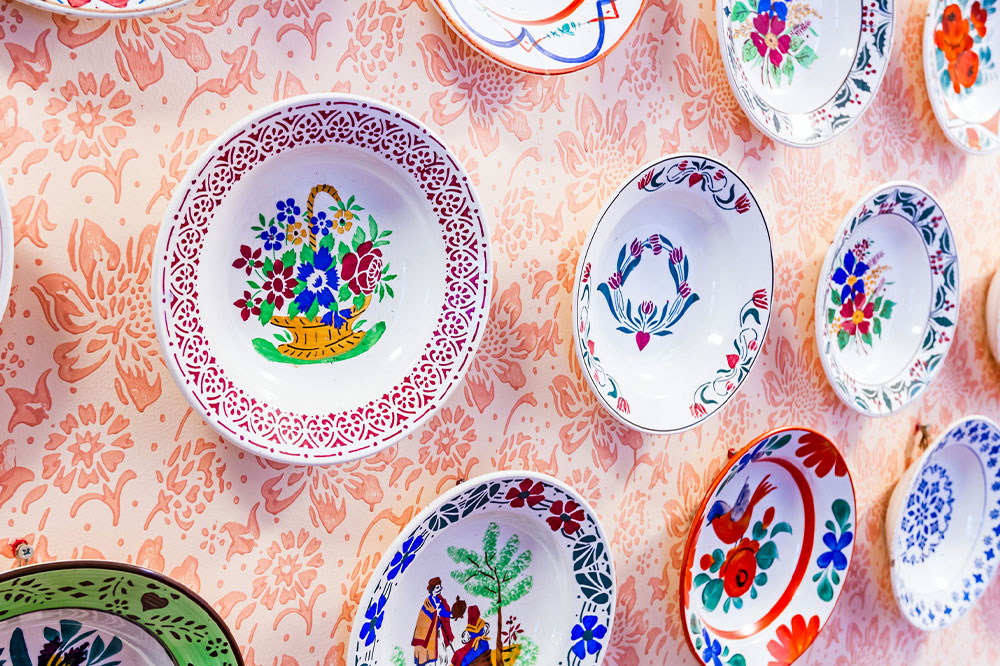
Exploring vintage ceramics and tableware from earlier eras reveals remarkable craftsmanship and cultural heritage still appreciated today. Collectors value these antique porcelain pieces for their historical significance and artistic details. This article highlights six prominent types of antique dinnerware and their current prices in the collectibles market.
Noritake China
Originating in Japan in the early 1900s, Noritake ceramics are celebrated globally. Named after its original locale, early pieces were hand-painted before mass production began. Their colorful designs appear on teapots, plates, and more. Well-preserved items range from a few dollars to over a thousand, with premium collections reaching high prices. Individual pieces typically cost between $2 and $8.
Blue Ridge Pottery
Produced after the expansion of railroads in the early 1900s, these hand-painted ceramics were made in small-town workshops. Known as Blue Ridge pottery, these unique items came to market until the 1950s when a factory fire halted production. Each piece features distinctive hand-painted patterns, making them highly collectible. Current market values range from $13 to $65 each.
Depression Glass
During the economic hardships of 1920–1950, affordable and colorful glassware—termed depression or oatmeal glass—became popular. Manufactured in large quantities, these vibrant pieces in shades like green, pink, and purple provided stylish options for budget-conscious consumers. Sets can be valued from $300 to $500, with rare patterns reaching up to $1,500, making them favorites for vintage collectors.
English Bone China Tea Sets
Known for their delicate craftsmanship and gold details, English bone china tea sets symbolize elegance and tradition. Often passed down as family heirlooms, these sets showcase British high-tea elegance. Depending on their rarity, some can be valued in the thousands. For example, a Shelley Lincoln teacup with a lily of the valley pattern can be worth approximately $1,200.
Jewel Tea Autumn Leaf Collection
Produced in the 1930s by Hall China, these decorative ceramics were distributed through Jewel Tea stores in exchange for stamps. Featuring subtle leaf and floral patterns, the collection includes casseroles, teapots, and bowls. Price estimates vary based on condition; for instance, a small autumn leaf platter might cost around $25, while a well-preserved teapot can reach $125.
Rose Medallion Porcelain
Famous for their bright colors and detailed motifs, Rose Medallion china gained popularity in mid-1800s Europe to meet demand for Chinese imports. Each piece features a central medallion, such as a bird or floral design, surrounded by panels depicting butterflies, trees, and figures. Values depend on condition; a punch bowl from the 1870s could be worth $7,000, while large vases from the same period may sell for $18,500.