Guide to Correctly Installing a Sundial in Your Outdoor Space
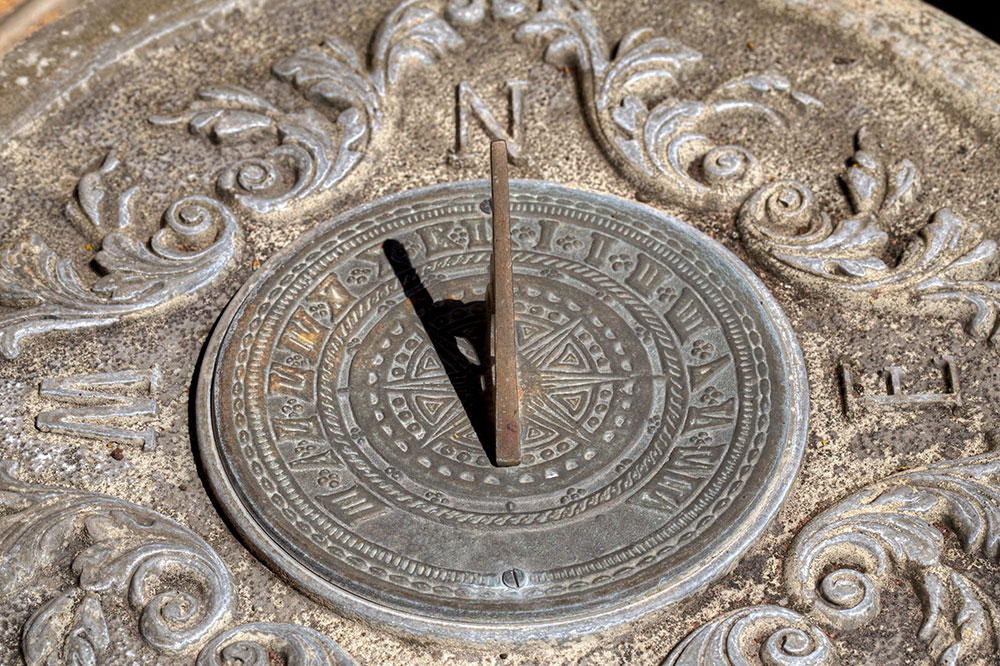
This comprehensive guide details the essential steps to correctly place a sundial outdoors. It covers ideal locations, alignment techniques, and important considerations for durability and visibility. By following these instructions, you can effectively incorporate a functional and attractive timekeeping device into your garden or yard, enhancing both aesthetics and practicality.
Guide to Correctly Installing a Sundial in Your Outdoor Space
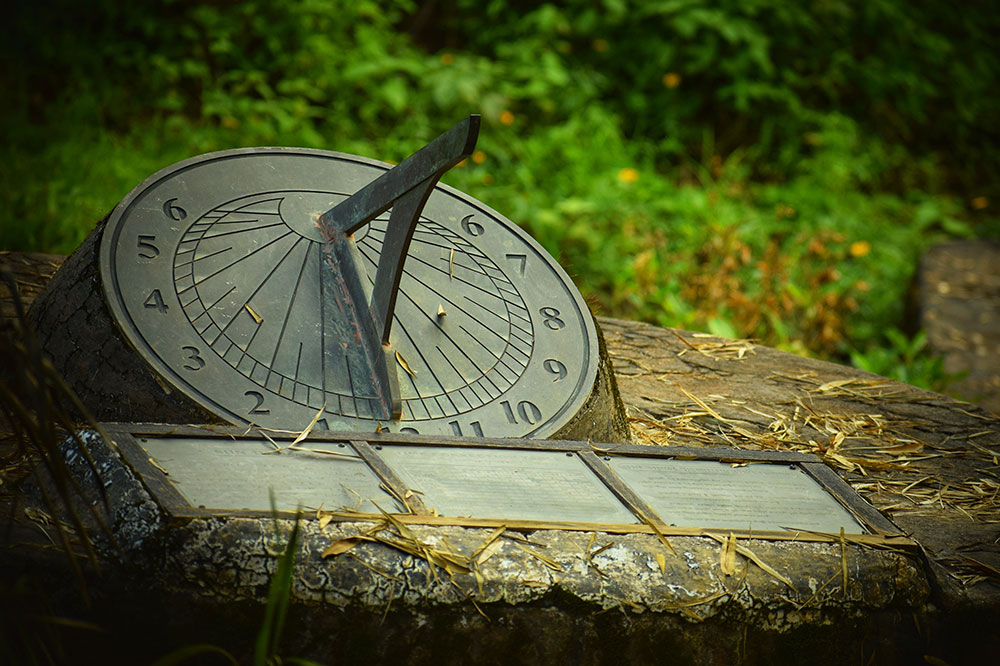
Placing a sundial outdoors adds charm and functionality to your garden, but proper placement is essential. Contrary to common belief, it doesn't need to be on a north-facing wall in the southern hemisphere; flexible positioning options exist. Typically aligned with cardinal points and set at specific angles, sundials can be installed almost anywhere. Learn how to position your sundial accurately for reliable timekeeping and aesthetic appeal.
Steps for Proper Sundial Placement
Choose a location with full sunlight exposure. Mounting on a sloped roof is also viable to maximize visibility.
Follow these guidelines for optimal positioning:
Step 1: Select an area in your yard that gets unobstructed sunlight. Positioning the sundial to face true north ensures the best accuracy, though it depends on your geographic location.
Step 2: On a clear night, identify the North Star to align the gnomon properly. If star observation isn’t possible, use specific dates like April 15, June 15, September 1, or December 25 to set the sundial based on solar noon.
Step 3: Use a compass, adjusting for magnetic declination, to find true north for precise alignment.
Additional tips include considering visibility from public areas, ensuring year-round sunlight, and avoiding obstructions such as trees or buildings. Heavy or large models should be installed with stability and safety in mind, especially regarding the metal gnomon during adverse weather.