Essential Traffic Surveillance Cameras Drivers Need to Know
This article introduces common traffic surveillance cameras drivers should recognize. It explains the functions and placements of red light, speed, traffic sensor, license plate recognition, and stop sign cameras. Understanding these devices helps drivers adhere to traffic rules, avoid penalties, and contribute to road safety. The guide is useful for all motorists wanting to be aware of monitoring systems designed to enforce road laws and ensure safer driving environments.
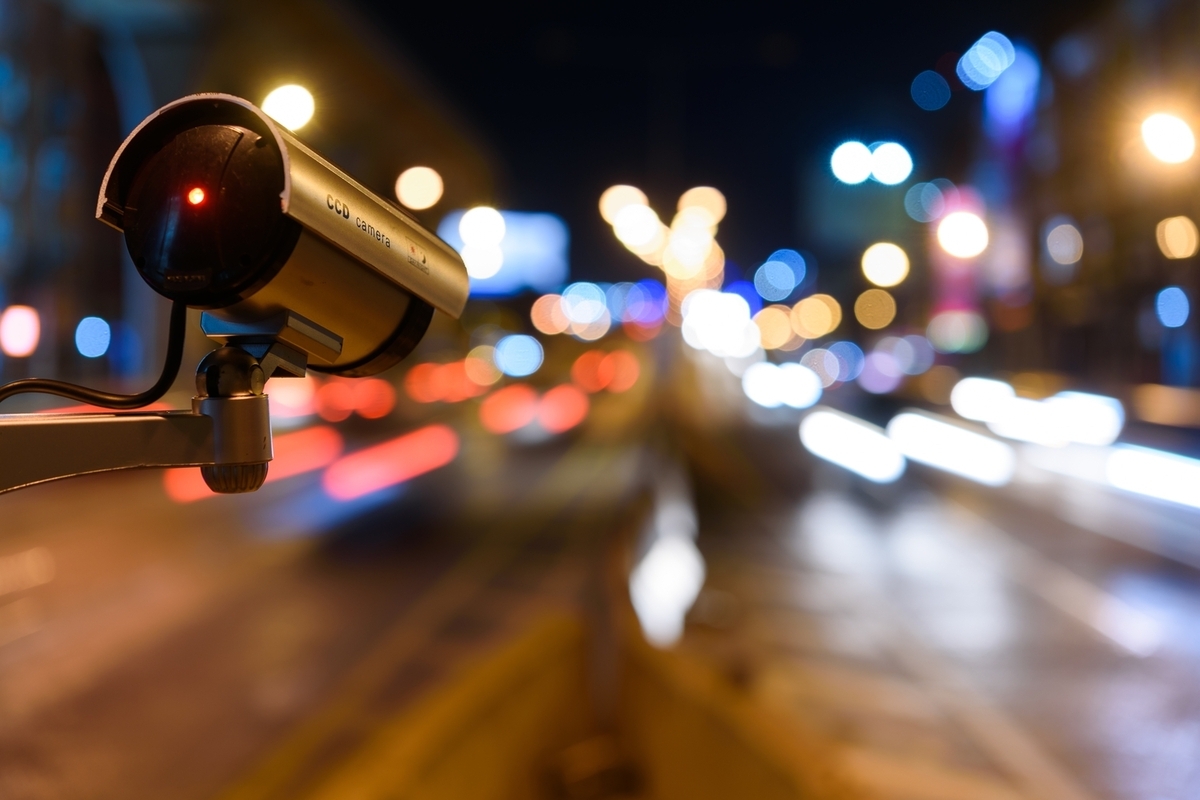
Traffic surveillance systems are vital for maintaining road safety by monitoring incidents, adverse weather, and illegal driving behaviors. Law enforcement employs a range of roadside cameras to observe driver actions and enforce regulations. Being familiar with these cameras can help motorists prevent fines and penalties. Modern roads feature diverse real-time monitoring devices tailored for specific purposes.
Common Types of Traffic Cameras
Typical monitoring includes cameras for red lights, speed enforcement, traffic flow detection, license plate recognition, and stop sign monitoring.
Red Light Enforcement Cameras
These cameras activate when a vehicle passes the stop line during a red signal, recording images and short videos of violations.
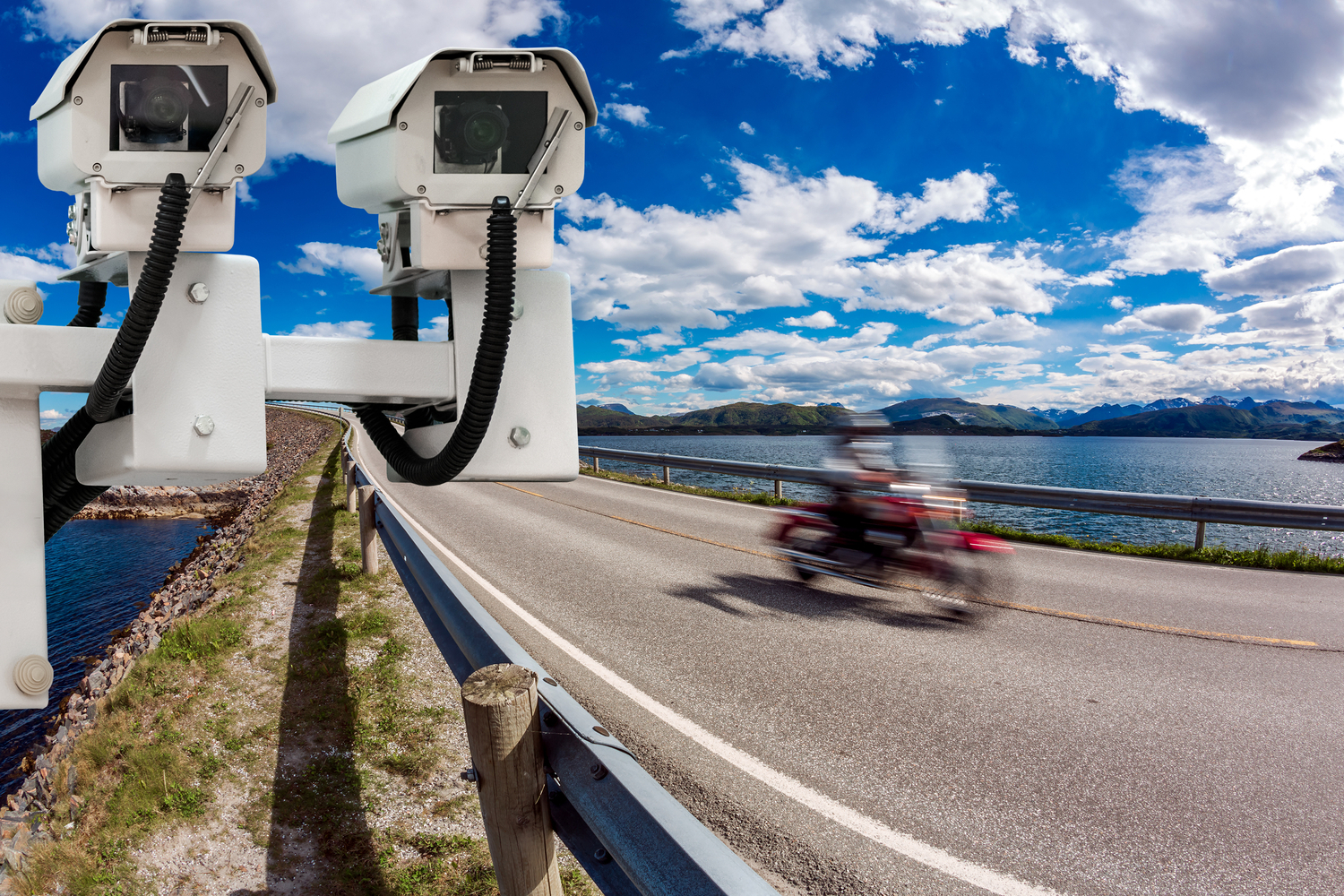
Red light cameras typically capture two images of the vehicle's license plate and a brief video clip, usually around 12 seconds, showing the violation. Positioned near traffic signals, these cameras often emit a flash when recording, serving as a warning to drivers. They are usually mounted on roadside poles at intersections and may be preceded by warning signage.
Speed Detection Cameras
Like red light cameras, speed cameras identify vehicles exceeding speed limits and record violations. Their placement depends on local traffic concerns, often in busy urban zones or quieter roads with speeding issues.
These cameras come in two forms: mobile units in vans or tripods, which are less conspicuous, and fixed units mounted on street lamps or poles, easily recognized by flashes and weatherproof casing.
Traffic Flow Cameras
Less familiar yet important, traffic sensors are compact dome-shaped devices installed on light posts. They monitor traffic volume and light timing, providing data for managing traffic flow. While they don't usually record footage for citations, their information helps inform drivers via traffic reports, aiding route planning in congestion.
Automatic License Plate Recognition (ALPR) Cameras
These cameras automatically read license plates, often installed at intersections and available in mobile or fixed setups. They don’t typically issue tickets but assist law enforcement in tracking vehicle movements, extracting driver info, and identifying violations. Operating at night with infrared LEDs, they are a crucial tool for vehicle monitoring.
Stop Sign Enforcement Cameras
Designed to catch vehicles that skip stop signs, these cameras may use radar technology to monitor compliance. Usually housed in visible enclosures with warning signs, they uphold traffic rules enforcement, though details of their exact recording methods are limited.
Familiarity with these various traffic cameras enhances driver awareness and promotes compliance, contributing to safer roads and helping avoid fines.