Key Tips for Developing a Successful Project Timeline
Learn effective strategies to create a comprehensive project schedule that ensures timely delivery and team coordination. From initial planning to setting milestones, this guide covers essential steps for successful project management, using templates and clear task dependencies to streamline the process.
Key Tips for Developing a Successful Project Timeline
Begin with a project overview
Prior to detailed scheduling, prepare a brief that captures the project's essence. This overview highlights the project’s purpose, goals, target group, critical milestones, and overall schedule. Including roles, resources, and workload considerations helps align expectations and streamline planning.

A comprehensive project timeline lists every necessary task, from initial planning to delivery. It covers all activities, reports, and key phases, ensuring no detail is missed. For instance, in a marketing campaign, tasks might include conceptualization, budgeting, team assignments, content creation, production, editing, and distribution. Precise task breakdowns facilitate efficient project flow.
Set achievable deadlines
Assigning realistic deadlines to each task is critical for maintaining project momentum. Break down large tasks into smaller steps for better estimation, and seek input from experienced team members to determine feasible timeframes. Incorporating buffer time helps accommodate unforeseen delays, keeping the project within scope and on schedule.
Identify task relationships
Understanding how tasks depend on each other is vital. For example, filming cannot start until scripting is finalized. Recognizing these dependencies enables effective sequencing and resource allocation, minimizing delays. Clear communication about task links ensures all team members align their efforts efficiently.
Establish major milestones
Milestones are key achievements within the project timeline, such as completing a phase or reaching a deliverable. They act as progress checkpoints, boosting team motivation and providing management with performance indicators. Tracking milestones allows for timely adjustments, keeping the project on track and celebrating successes along the way.
Use a project scheduling template
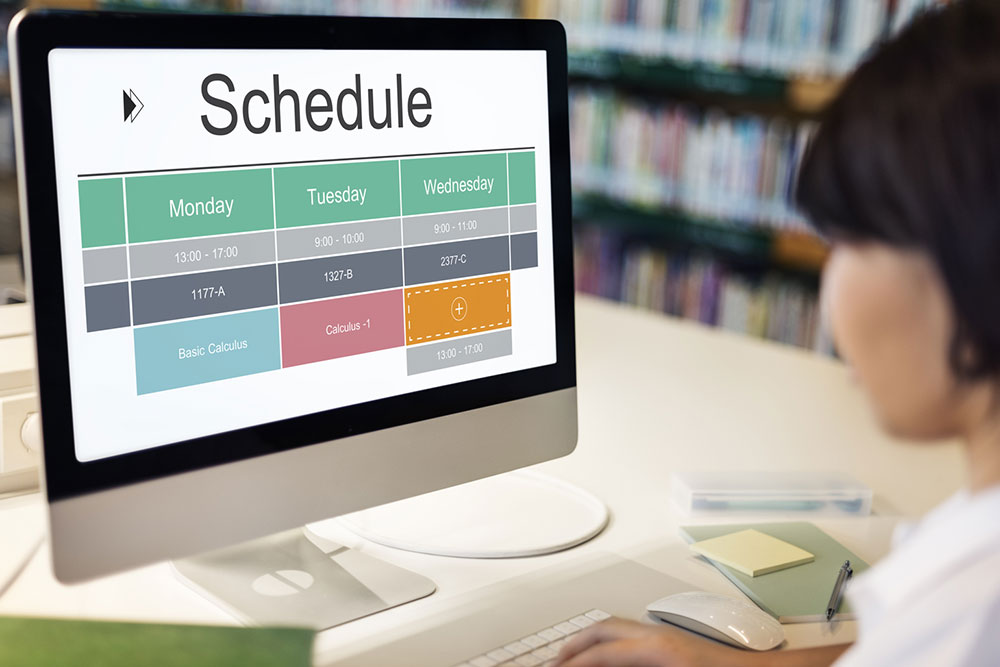
After listing your tasks, deadlines, and milestones, utilize a template to create your schedule. Many online platforms offer customizable templates that showcase timelines, task assignments, and vital dates. Using a professional template enhances clarity and saves time. Templates compatible with tools like PowerPoint, Google Sheets, Excel, or Word are readily available for quick adaptation.
Note:
Our blog offers a variety of insights and practical advice on project management. The information provided is general and intended for guidance only. We do not accept responsibility for inaccuracies or discrepancies. Users are encouraged to verify current data independently, as some information or offers may change over time.