How to Detect and Report Common Fraud Schemes
Learn how to identify and report common scams, including financial frauds, phishing, fake lotteries, and charity scams. This comprehensive guide offers actionable steps on reporting procedures to authorities like the FTC, IRS, and postal inspectors. Protect yourself from prevalent fraud tactics and understand the importance of timely reporting to prevent financial loss. Stay informed with tips on recognizing suspicious activity and safeguarding your personal information across different scam types.
Identifying and Reporting Frequent Scam Types
News reports often highlight stories of individuals losing money to various scams, with total losses surpassing 4 billion dollars. As fraudsters adopt more sophisticated methods, these figures are anticipated to grow. Since scams come in many forms, understanding how and where to report them can be complicated. This article provides key guidance on scam reporting procedures.
Financial scams
The most common financial frauds include overpayment scams, phishing emails, unauthorized withdrawals, and check fraud. Reporting these to authorities depends on the specific scam involved.
Suspicious checks received by mail should be reported to the US Postal Inspection Service. Phishing messages or fake checks should be submitted through the Federal Trade Commission’s online platform. If you notice unapproved charges on your bank account, contact your bank immediately to stop further transactions.
Phone scams
Scammers often make calls aimed at stealing personal info or money, sometimes using automated calls or voice synthesis. They may promise prizes, threaten legal actions, or persuade victims to make purchases or investments.
Examples include scam calls offering fake grants or lotteries that require payment to claim winnings, or intimidation tactics to scare victims. Report such calls through the FTC’s online system or helpline. Robocalls and spam telemarketing can be reported to the Do Not Call Registry.
Fake census outreach
This scam involves impersonators claiming to be Census Bureau agents to extract personal data. They might send fake letters or visit homes to gather information. Suspicious activities should be reported to your local Census Bureau office or by forwarding scam emails via their official contact points.
Lottery fraud
Many fall victim to fake lottery or sweepstakes scams where scammers claim winners must pay fees for processing. These schemes often seek bank details, leading to theft. Mail scams should be reported to postal inspectors; online or phone scams to the FTC. Fake automated calls about winnings can be flagged with the Do Not Call Registry.
Charity scams
Fraudulent charities exploit people's generosity, especially during disasters. They pose as volunteers or create fake websites to seem legitimate. Such scams should be reported to your state consumer protection office or the FTC, which investigates charity fraud. The National Center for Disaster Fraud handles cases related to disaster-related scams.
Pyramid schemes
These schemes rely on recruiting new members to pay profits to earlier investors, eventually collapsing when recruitment stalls. Investing in pyramid schemes can cause large financial losses. Report such schemes to the FTC or your state consumer protection agency.
Tax-related scams
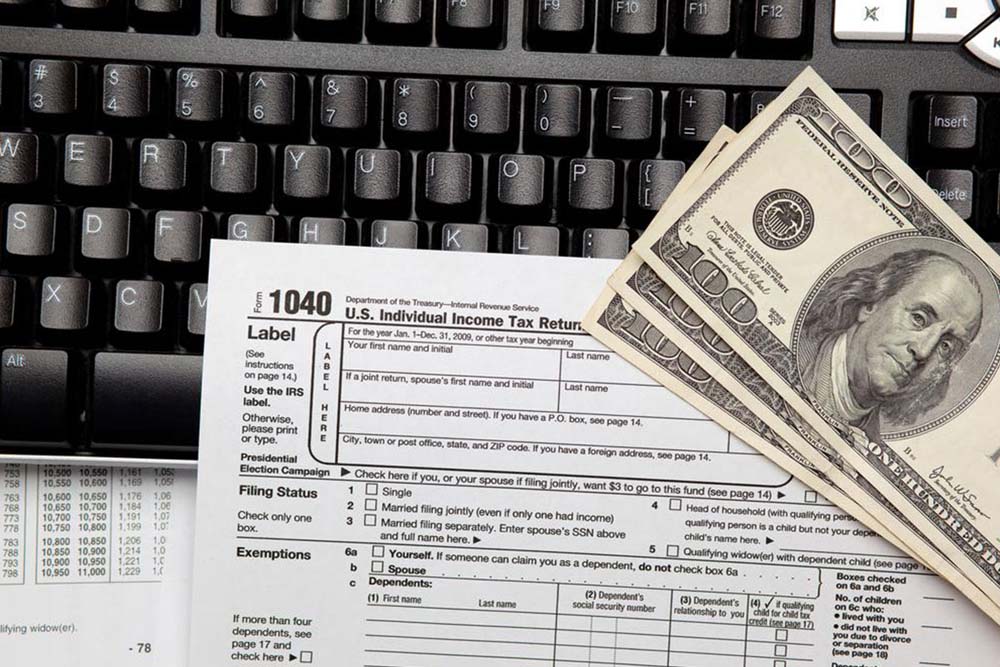
If you suspect tax frauds like businesses evading taxes, report to the IRS. Tax ID theft, where thieves misuse your Social Security number for false refunds, should be reported immediately with IRS Form 14039. Whistleblower rewards may be available for certain cases.
Note:
This guide aims to provide helpful insights on various scams but does not replace official sources. Always verify information with trusted authorities for the most current updates. The editorial team’s purpose is to inform, not to guarantee the absence of unlisted schemes or discrepancies.