Ultimate Guide to Countryside Standalone Residences
Discover the essentials of rural standalone homes, highlighting their features, history, benefits, drawbacks, and ideal locations. This guide provides insights into their design, ownership, and the lifestyle they offer, whether in rural or suburban areas, catering to families seeking privacy and generous outdoor spaces.
Ultimate Guide to Countryside Standalone Residences
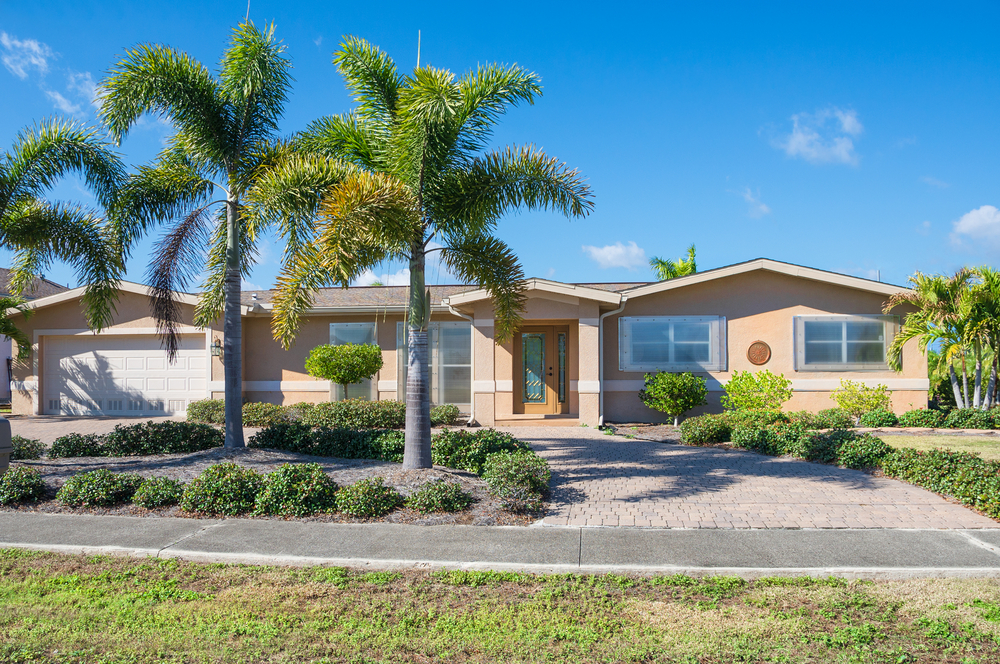
Standalone Homes in Rural Areas A detached residence is a single-family home that stands independently, offering space and privacy. These homes are perfect for large or small families wanting more room and independence. Typically owned and maintained by residents, such properties come in various architectural styles and are found in rural and suburban settings.
What Makes These Homes Special?
They are freestanding structures with surrounding land.
Designed exclusively for one household.
They usually feature separate utilities like water and heating.
Some areas allow basement apartments within these homes.
They are characterized by their spacious size and significant land plots.
Garages are typically located near the street for accessibility.
Historical Perspective of Detached Homes
In the past, multi-family dwellings were common due to shared resources and community living.
Families typically stayed in their homes through major life events.
Children remained at home until adulthood or marriage.
Extended families often cohabited to support each other.
This approach helped reduce construction costs and environmental impact.
Moving was usual when families acquired new properties.
Reasons for Building Detached Homes
The shift to nuclear families increased demand for single-family residences.
Enhanced living standards and privacy needs fueled growth.
Preference for open spaces and larger lots distinguishes these homes from European village settings.
Common Locations for Detached Residences
Primarily found in rural and suburban areas.
Often owned by affluent, low-density communities.
Designs range from cozy cottages to luxury mansions, depending on preferences.
Size and materials vary based on local styles and personal choices.
Pros and Cons of Standalone Homes
Advantages include:
Exceptional privacy with surrounding open space.
Opportunities to expand living areas within zoning rules.
No shared fees like condos or townhomes.
Large outdoor spaces ideal for activities and gardening.
Lower cost per square foot thanks to land affordability.
Greater customization options and privacy.
Drawbacks encompass:
Complete responsibility for maintenance and repairs.
Additional costs for amenities like pools.
Higher heating expenses during winter.
Dependence on personal transportation rather than public transit.
Potentially higher energy consumption and environmental footprint.
Large land requirements that could serve agricultural or community needs.
Best Locations for Detached Residences
Representing the ideal of the American Dream, often with charming fences.
Typically situated on suburban outskirts near urban centers.
Found in gated communities and emerging residential markets globally.