Quick and Effective Methods to Cure Chalazion
Discover quick and effective strategies to treat chalazion, including warm compresses, eyelid massage, medication, and surgical options. Early intervention ensures speedy recovery and avoids complications.
Quick and Effective Methods to Cure Chalazion
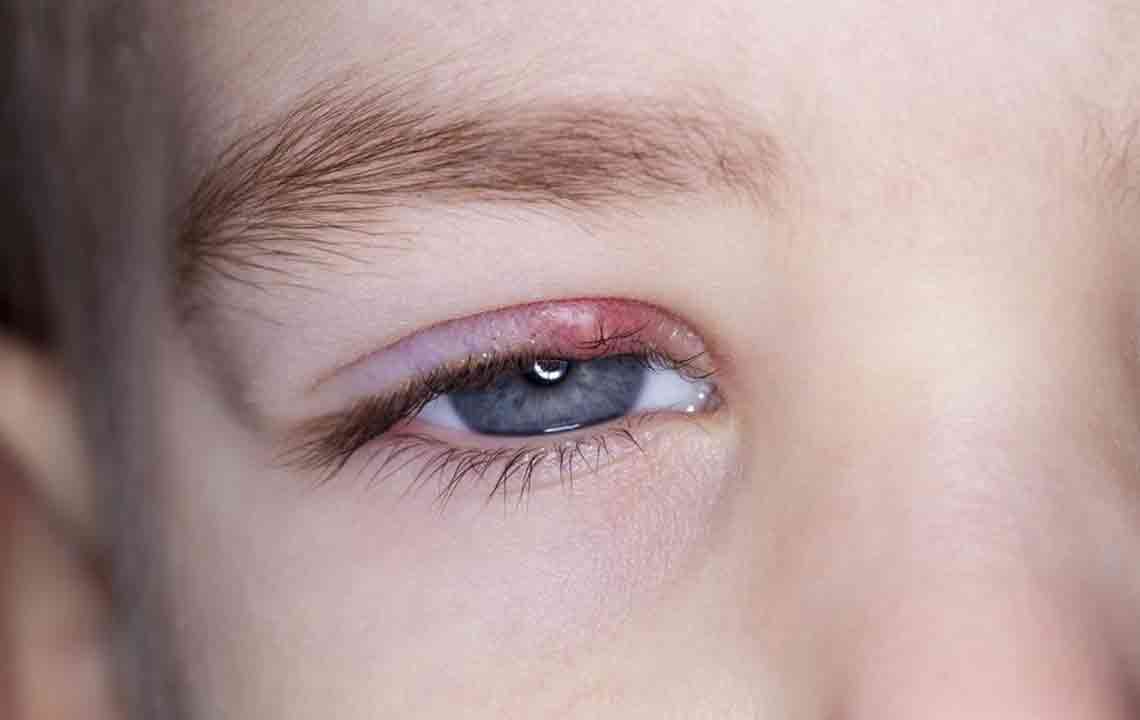
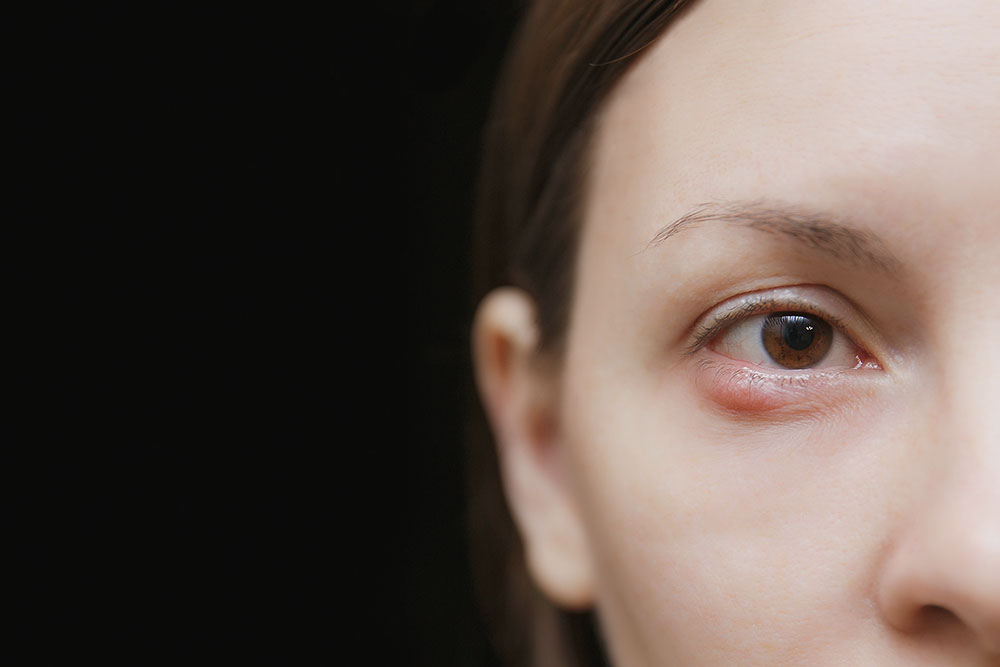
A chalazion manifests as a small, painless bump on the eyelid caused by blocked oil glands, particularly the meibomian glands. When these glands become blocked, oil accumulates, leading to swelling and inflammation, resulting in a chalazion. Although not a severe eye condition, it can cause discomfort and may recur. Many seek advice from eye specialists or general doctors for effective treatment options.
Symptoms of a chalazion include:
Occlusion of the glands near the eyelid margin or lash roots can cause swelling, creating visible lumps.
Swelling occurs due to blocked ducts, which may become infected on the skin surface. Key indicators include:
Visible lumps on upper or lower eyelids, possibly multiple
Swelling around the eye
Pain and tenderness
Increased warmth, pressure, and heaviness in the affected area
Itching and potential pus discharge
How to effectively treat a chalazion?
Follow these simple steps to accelerate chalazion recovery:
Warm compress application:
Applying warm compresses gently heats the eyelid, helping to open the blocked gland. This softens the trapped material, making it easier to gently massage and drain. Use a warm, thick cloth such as muslin or flannel for 1-2 minutes, ensuring it remains warm by rewarming as needed. Avoid wrapping the entire head, as it diminishes effectiveness. Consistent use promotes drainage and healing.
Gentle eyelid massage:
Massaging towards the gland’s opening encourages drainage. For upper eyelids, massage upward; for lower eyelids, downward. Gentle pressure may release pus or fluid, reducing swelling. Over-the-counter pain relievers like acetaminophen can help reduce discomfort during this process.
Antibiotic treatment:
If redness spreads quickly or infection signs like fever develop, consult a healthcare provider. In cases of secondary skin infections—common in immunocompromised individuals or those with chronic illnesses such as diabetes—antibiotics can help control infection. Use alongside heat and gentle massage.
Special advice for children: Children with eyelid infections should be evaluated promptly. Since their eyelid structures aren’t fully developed, infections might spread deeper, risking orbital or brain complications. Early intervention is vital to prevent serious issues.
Surgical intervention:
Persistent, large, or vision-impairing chalazions may require minor surgery. Under local anesthesia, a small incision is made to remove the contents of the gland. The procedure takes minutes.
Post-surgery, mild swelling or discomfort can occur, but most patients recover within days and return to normal activities quickly.
Summary: Residual signs like tiny scars or notches may remain after healing. If a chalazion enlarges despite treatment, seek medical advice promptly. Initial management includes warm compresses, eyelid massage, and medication. Surgery is reserved for resistant cases. With proper care, most chalazions resolve effectively.