Essential Tips for Selecting the Perfect Online Personal Coach
Discover key tips for selecting the ideal online personal trainer. From verifying certifications to assessing experience and client feedback, this guide helps you find a coach tailored to your fitness goals. Embrace the flexibility of online training with expert guidance to achieve sustainable results efficiently.
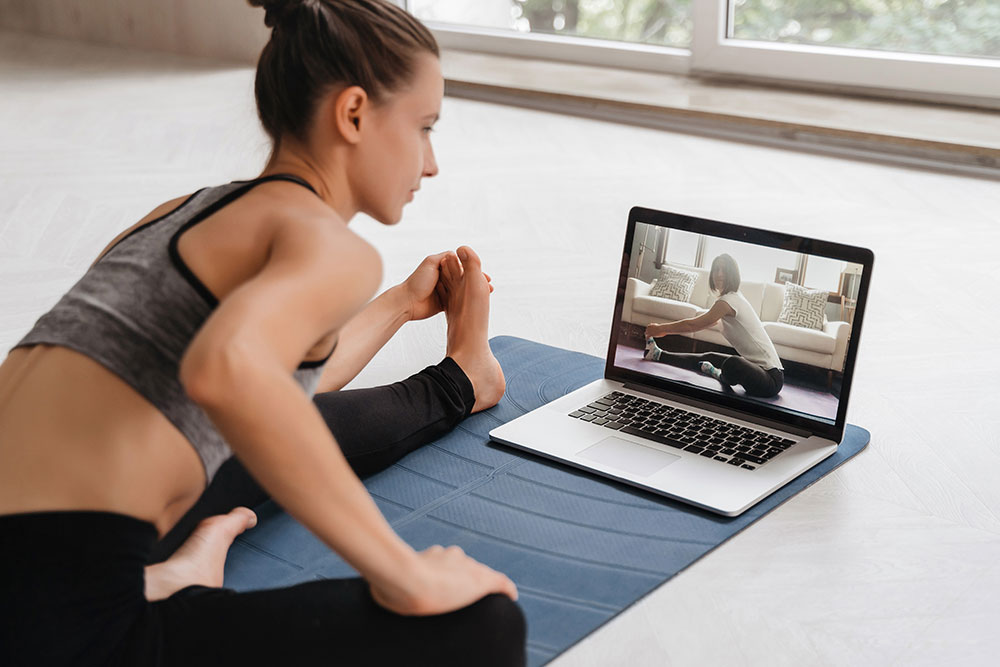
Critical Factors to Evaluate When Picking an Online Fitness Coach
As virtual workout options grow in popularity, many people are exploring online fitness coaching for its convenience and benefits. The main advantage is the flexibility to train from anywhere and at any time. Online coaching provides access to a wide pool of experienced trainers, ongoing support, and customized workout plans tailored to individual goals.
With numerous digital fitness platforms available, it’s important to consider several key aspects to find a coach that matches your personal objectives and preferences.
1. Qualifications and Certifications
Start by verifying a trainer’s credentials. Opt for coaches accredited by recognized fitness organizations. Such certification indicates a solid foundation in anatomy, physiology, and kinesiology, essential for safe and effective training. Certified trainers are better equipped to design individualized workout routines that prioritize safety and results.
2. Trainer’s Availability
Flexibility is vital in online coaching, but availability varies among professionals. Inquire about their schedule, client load, and level of personalized attention. Aligning their availability with your routine ensures consistent progress and support.
3. Experience and Specialization
Choose a trainer with substantial experience and current knowledge of the latest fitness trends. An experienced coach can customize workouts effectively and offer clear instructions, adapting to your evolving needs.
4. Client Testimonials and Track Record
Review feedback from previous clients to gauge the trainer’s versatility and success rate. Many trainers offer trial sessions, which help assess their coaching style and compatibility before committing long-term.
5. Coaching Style and Philosophy
Understanding a trainer’s method helps determine if it suits your preferences. Discuss program personalization, meal planning, and progress tracking. A good trainer motivates without overtraining, aiming for sustainable results. Initial consultations or trial runs are useful to evaluate their approach.
6. Recommendations and Reviews
Referrals from friends, family, or colleagues often point to reliable trainers. If personal references aren’t available, check reviews online. Positive feedback about their responsiveness, effectiveness, and support can guide your decision. Choosing a recommended trainer boosts confidence in their professionalism.