Complete Overview of Home Emergency Power Solutions
Learn about essential residential power backup options including whole-house and portable generators. Discover their operation, safety tips, and factors to consider for reliable emergency power during outages.
Complete Overview of Home Emergency Power Solutions
Residential backup power systems are essential for maintaining electricity during outages, ensuring that your appliances, electronics, and criticalMedical equipment stay functional. These systems enhance safety and convenience, especially in areas with frequent power interruptions, by reducing risks and minimizing inconvenience.
Whole-house generators
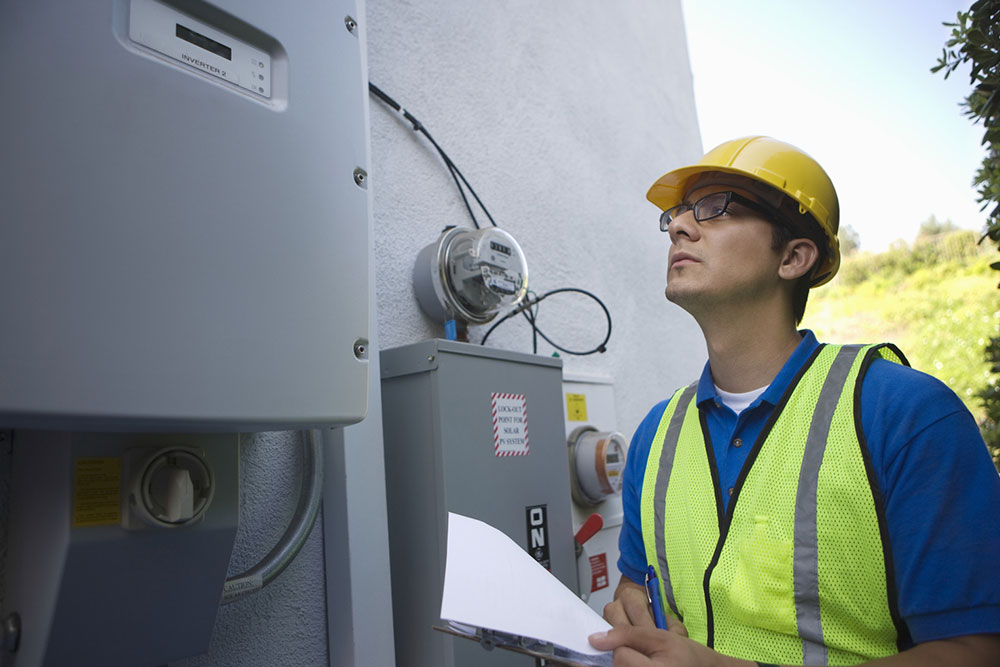
These units activate automatically when power is lost, supplying electricity throughout your residence. Installed permanently, they run on natural gas or propane and can power entire households or specific circuits. When choosing a model, consider factors like noise output and diagnostic capabilities. Installation costs typically range from $6,000 to $11,000, offering dependable backup power.
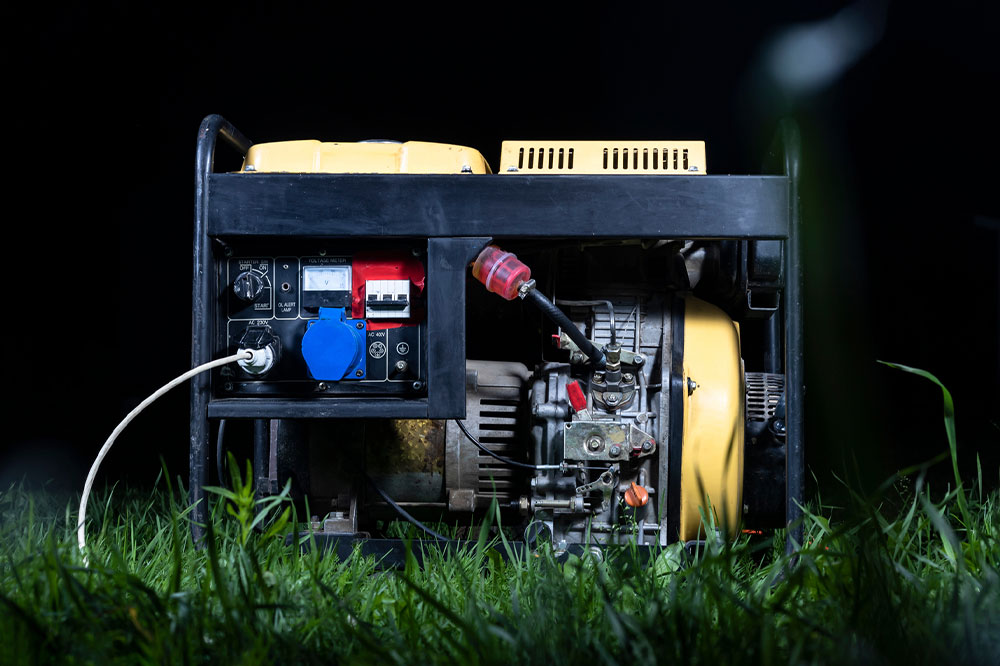
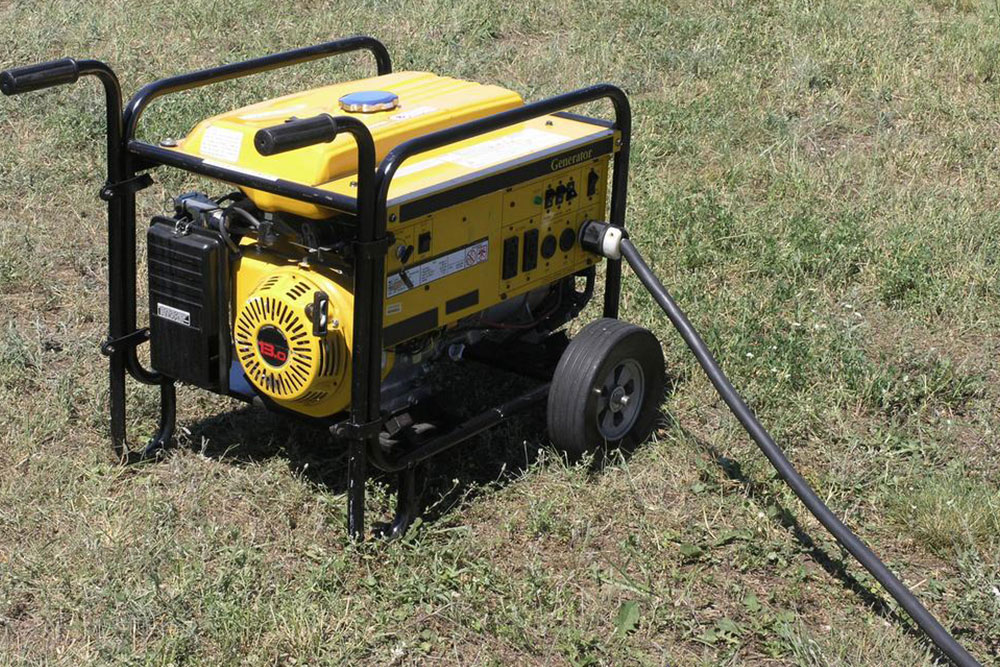
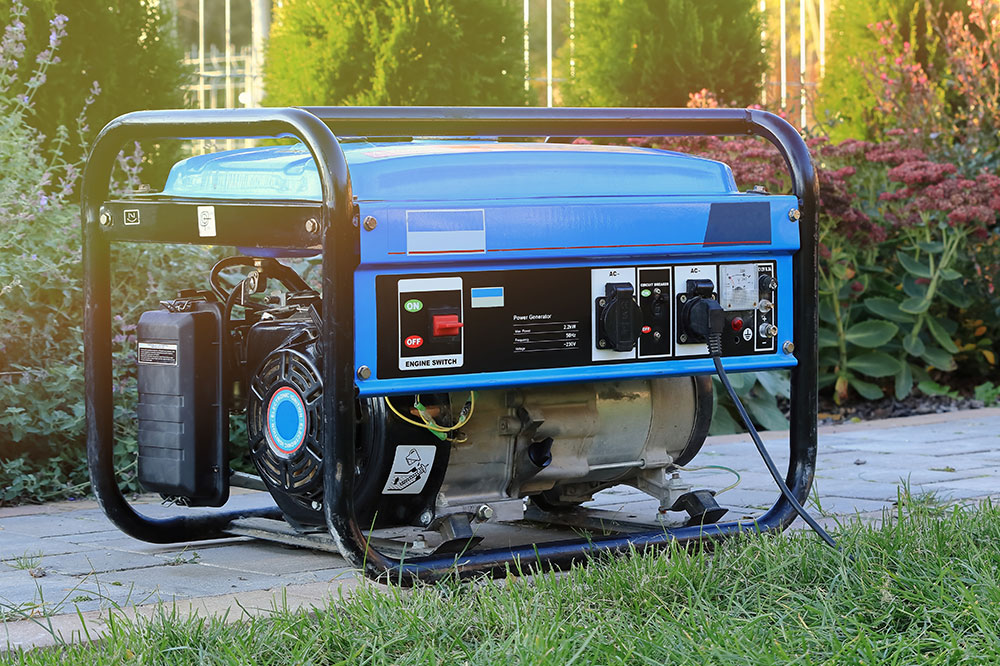
Portable generators, fueled by gasoline or diesel, are compact units that supply power to small household essentials such as refrigerators, computers, and TVs. They can be easily transported or connected to your home’s electrical system by professionals for seamless operation.
Inverter generators
Engineered to produce cleaner, more stable electricity suitable for sensitive devices, inverter generators are smaller, quieter, and more energy-efficient than traditional models. They convert AC to DC and back to AC, adjusting engine speed to match power demand. They are ideal for powering small appliances in emergencies but not for whole-home operation.
How gas-powered backup units function
Home generators powered by gas or propane operate through internal combustion engines that generate electricity. They turn on automatically during outages to support essential functions such as lighting and cooling. Smaller models prioritize critical circuits, while larger systems can support full-home needs. Regular maintenance and fuel monitoring are crucial for dependable performance.
Are generators noisy?
Sound levels depend on the generator size. Larger models tend to be louder, whereas portable units typically operate quietly. To reduce noise, soundproof enclosures or barriers can be installed. Routine maintenance also helps keep noise levels in check.
Startup time for generators
The startup duration varies by model. Many have delay features to ensure stable power delivery after activation. Once started, engines warm up quickly and provide full power within minutes for reliable emergency backup.
Safety tips for generator use
Select a generator appropriate for your home's power requirements
Position units away from water sources and enclosed spaces
Operate with proper extension cords and avoid indoor use to prevent carbon monoxide buildup
Handle fuels safely and adhere to local emission laws
Summary
Choosing the right home backup system involves assessing your power needs and outage frequency. Always place generators at least 20 feet from your home to ensure safety. Proper operation and maintenance are vital for dependable power during emergencies.